June 18, 2026
By We Buy NJ Homes Fast
What Selling a House As-Is in New Jersey Really Means
What selling a house as-is in New Jersey actually means, what you still have to disclose, your two ways to do it, and what the convenience really costs.
Introduction
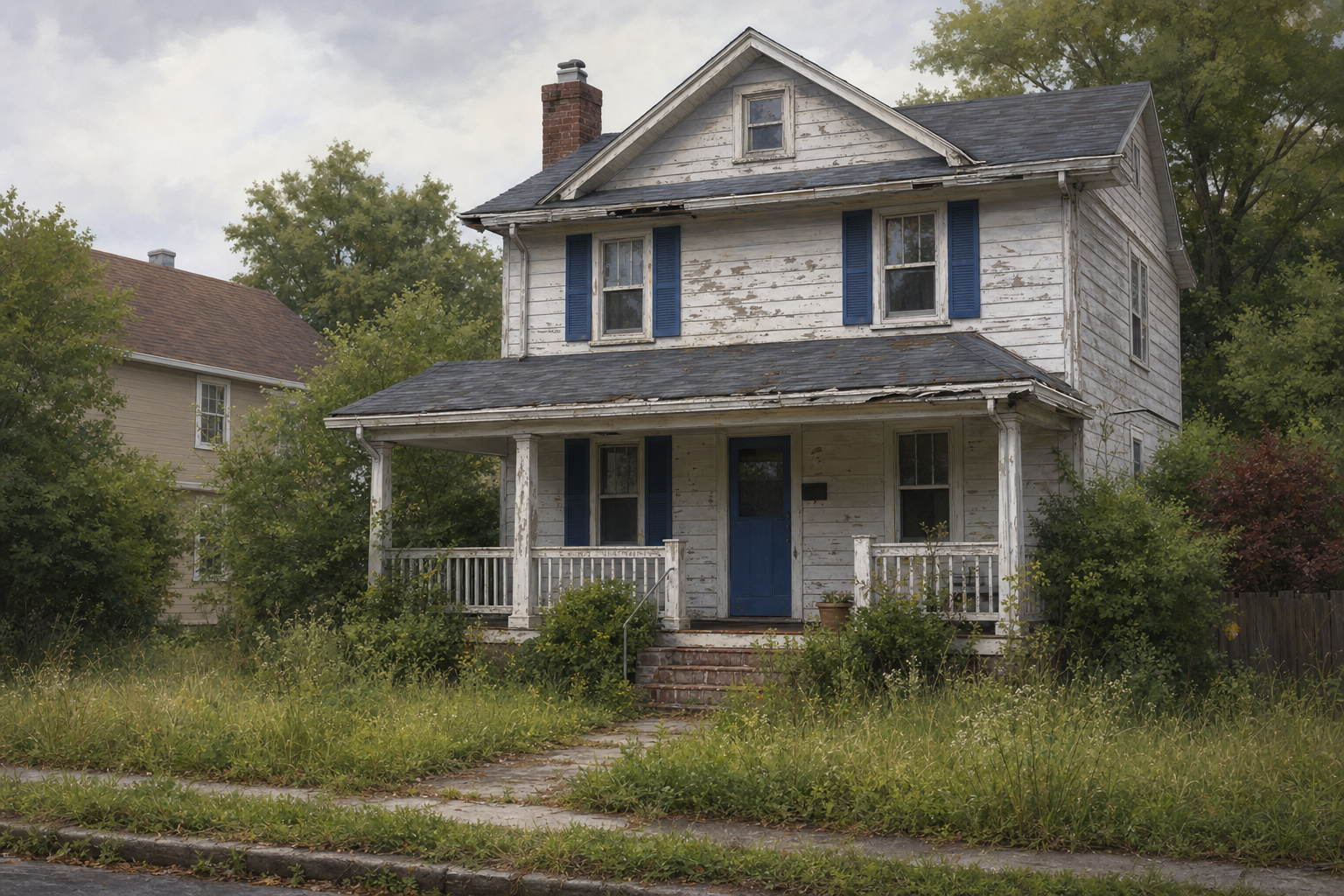
Selling a house as-is in New Jersey simply means you're selling it in its current condition and won't make repairs or offer credits for them, and yes, it's completely legal and common. What surprises most sellers is what as-is does not do. It doesn't cancel the buyer's right to inspect the home, and it absolutely doesn't let you hide a problem you already know about. You can sell as-is on the open market or to a cash buyer, but either way New Jersey still expects you to be honest about the home's condition.
If your house needs work you can't afford, don't want to manage, or simply don't have time for before a move, selling as-is can lift an enormous weight. There's real relief in not chasing contractors or sinking money into a place you're leaving. This guide explains exactly what as-is means here, what you're still legally required to disclose, the two routes for selling this way, and what the convenience actually costs you. We buy homes in any condition throughout Camden County, Middlesex County, Passaic County, and all 21 NJ counties.
What "As-Is" Actually Means Here
As-is is a statement about repairs, not about honesty. It tells buyers that the price reflects the home's current state and that you won't be fixing the roof, updating the electrical, or knocking money off for a tired kitchen after their inspection. That's it. It's a normal, accepted way to sell, especially for inherited homes, rentals, and houses that have aged faster than their owners could keep up with.
What as-is does not do trips a lot of people up. It doesn't waive the buyer's right to hire an inspector and walk the property, and it doesn't erase your legal duty to disclose what you know. A buyer can still inspect, and if the inspection turns up something they can't live with, they can still walk away or renegotiate. Selling as-is mainly sets the expectation up front so nobody's surprised, which is exactly why it tends to attract buyers who are ready for a project rather than ones hoping for move-in perfection.
As-is means you won't fix anything. It does not mean you can stay quiet about what you already know is wrong.
What You Still Have to Disclose
This is the part that protects you, so it's worth getting right. New Jersey's disclosure duty comes from common law, anchored by the state Supreme Court's decision in Weintraub v. Krobatsch, and it applies even on an as-is sale. You must disclose known latent material defects, the significant hidden problems a buyer couldn't catch on a normal walkthrough, and an "as-is" clause won't shield a seller who conceals one. That's exactly what Weintraub decided: a clause accepting the home in its "present condition" did not block the buyer's claim once it came out that the seller had hidden a known defect. Concealment can unravel the sale or bring a lawsuit long after closing, while disclosing honestly is your shield.
Most sellers use the state's Seller's Property Condition Disclosure Statement and answer every question truthfully. The kinds of things you're expected to disclose if you know about them include:
- Water intrusion, flooding history, or active mold
- A leaking or failing roof
- Structural or foundation problems
- Faulty or unsafe heating, plumbing, or electrical systems
- Past fire damage or pest and termite infestations
A legitimate as-is buyer expects this list and prices it in, so telling the truth doesn't cost you the deal. It's hiding a known defect that creates real legal exposure, which is the opposite of what as-is is supposed to do for you.
Your Two Ways to Sell As-Is
There's more than one path, and the right one depends on how much work the home needs and how fast you want to be done. You can list it as-is on the open market, or sell directly to a cash buyer who specializes in homes that need work.
| List as-is on the market | Sell to a cash buyer | |
|---|---|---|
| Best for | Mostly cosmetic issues, sound structure | Major repairs, code issues, heavy wear |
| Sale price | Closer to market value | Below market, reflects the repairs |
| Repairs and cleanout | None, but you'll stage and show | None at all, leave what you want |
| Buyer financing | Mortgage, must pass appraisal | None, paid in full, no fall-through |
| Time to close | 2 to 4+ months | 1 to 3 weeks |
| Showings | Multiple, plus open houses | One walkthrough, often same week |
The open market can work well when the issues are mainly cosmetic and the house is structurally sound, because a buyer using an FHA or conventional loan can usually still get approved as long as the home passes the lender's appraisal. The trouble starts when the problems are big. A failing roof, an unsafe furnace, or active water damage can sink a mortgage appraisal, which quietly shrinks your buyer pool to cash investors anyway. That's the point where a direct cash sale stops being the fallback and becomes the cleaner option, since a cash buyer doesn't need an appraisal to bless the condition.
When Rosa decided to sell her parents' worn split-level in Woodbridge in early 2026, two mortgage buyers backed out after their lenders flagged the roof and an old oil tank. The third offer was cash, came in about $25,000 under what a renovated version would bring, and closed in fifteen days with the tank and roof now the buyer's problem. She'd spent two frustrating months learning that "as-is on the market" only works when the lender's appraiser agrees.
What Selling As-Is Costs You, and Saves You
The honest trade is price. An as-is home, especially one sold for cash, goes for less than the same house would fetch fully renovated, because whoever buys it is taking on the repairs, the risk, and the time. Any buyer who pretends otherwise isn't being straight with you. The number worth weighing, though, is your net, not the sticker price.
Against that lower price, look at what you stop paying. You skip the repair bills entirely, which on a dated or damaged home can run from a few thousand into the tens of thousands. With a cash sale you also pay no agent commission, and a fast close ends the monthly drain of mortgage payments, property taxes, insurance, and utilities on a house you no longer want. New Jersey sellers still owe the realty transfer fee and their own attorney and closing costs, but a cash buyer typically covers the rest of the closing costs. When you net it all out, the gap between an as-is sale and a fixed-up listing is usually narrower than the headline prices suggest, and it comes without months of work and uncertainty.
Does the "As-Is" Label Scare Buyers Off?
It's the worry that stops a lot of sellers from going this route, the fear that two little words will brand the house as a money pit and drive every offer into the ground. In practice, the label is far less damaging than the alternative, which is hiding the home's condition and watching a deal collapse at inspection. Most buyers reading "as-is" understand it as a signal to price for condition and skip the negotiation theater, not as a confession that the house is falling down.
What the label really does is change who shows up. Buyers expecting turnkey perfection self-select out, and the ones who remain are realistic about a project, which actually makes for smoother negotiations. The houses that sell as-is for poor prices usually aren't suffering from the label, they're suffering from being overpriced for their condition, or from a seller who got defensive about disclosures. Price the home honestly for the work it needs, hand over a complete disclosure statement, and as-is reads as straightforward rather than alarming.
When Priya listed her late uncle's dated ranch in Hamilton as-is in early 2026, her agent worried the wording would suppress offers. It did the opposite. The honest condition report and a price set for the home's real state drew three serious buyers who'd come prepared for a renovation, and the house went under contract in under three weeks without a single repair demand. The clarity up front was what kept the deal calm.
When Each Route Makes Sense
If your home is fundamentally sound and just dated, listing as-is and letting the market sort it out will usually net you the most, provided you have the patience for showings and a possible appraisal hiccup. If the house carries heavy repairs, code violations, a problem that scares off mortgage lenders, or a deadline you can't move, a cash sale trades some price for certainty and speed.
The deciding factor is almost always the severity of the condition and your timeline. Many of the situations that push people toward an as-is sale have their own playbook, so if your home is packed to the rafters our guide on selling a hoarder house covers the no-cleanout route, selling a fire-damaged house handles insurance and disclosure after a fire, and if a foreclosure is looming, how to stop foreclosure in New Jersey explains how a fast as-is sale can beat the sheriff's sale.
Conclusion
Selling a house as-is in New Jersey is a legitimate, well-worn path, it just means you won't make repairs, not that you can sidestep the truth about the home's condition. Disclose what you know on the state's form, decide whether your house is sound enough to list as-is or better suited to a cash buyer, and judge the offer on what you actually net after repairs, commission, and months of carrying costs. Done right, as-is is one of the simplest ways to move on from a house that's become more burden than home.
Have a house that needs work and a timeline that won't wait? Contact the We Buy NJ Homes Fast Team for a confidential, no-obligation cash offer. We buy in any condition, as-is means truly as-is with no repairs or cleanout, and we can close on your schedule anywhere across New Jersey's 21 counties.
Disclaimer. This content is for informational purposes only and does not constitute legal, financial, or tax advice. Laws and programs change frequently, and individual situations vary significantly. Always consult with qualified professionals for advice specific to your situation.